
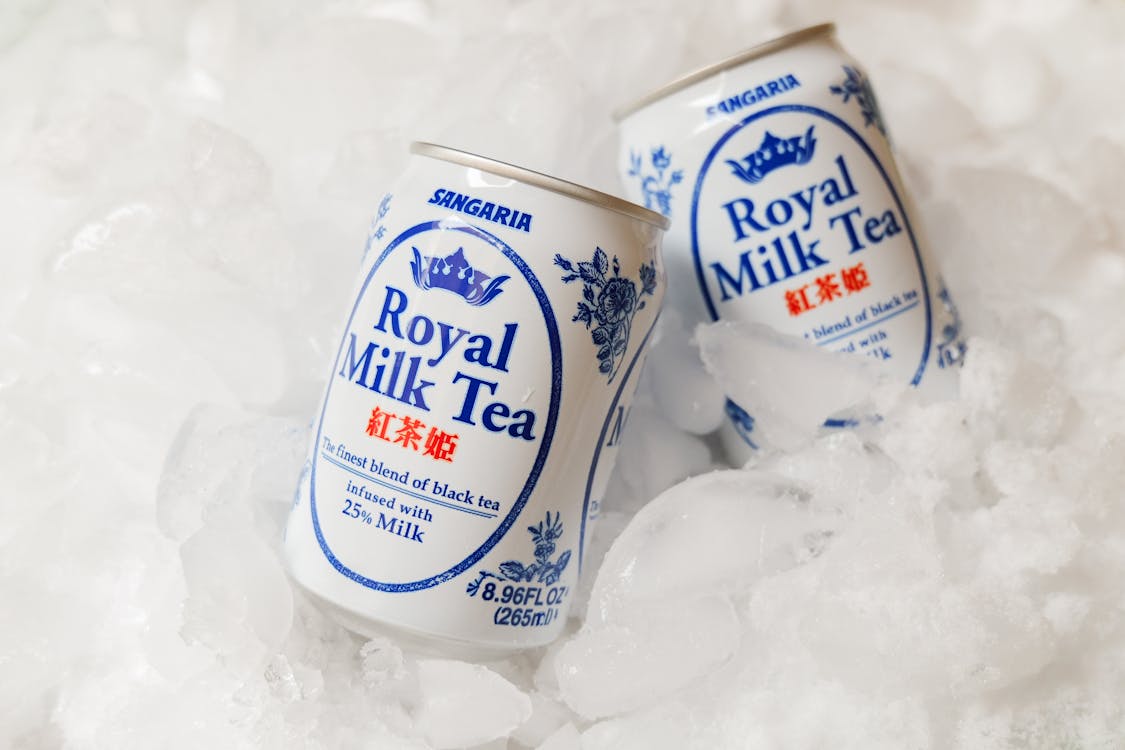
The Ready-to-Drink Revolution: How Canned Milk Tea Conquered the Global Beverage Market
Convenience once dictated that grab-and-go beverages mean compromise. For decades, consumers looking for a quick caffeine fix outside of traditional coffee were relegated to over-sweetened sodas or powdered, artificial tea blends. Today, a massive shift in consumer preferences has elevated canned milk tea from a niche Asian supermarket staple into a dominant force in the global beverage industry. Driven by a desire for premium ingredients, cultural curiosity, and unparalleled convenience, ready-to-drink milk tea has officially entered the mainstream.
From Vending Machines to Global Aisles
The phenomenon of canned milk tea traced its roots back to the bustling metropolitan centers of East Asia. In Japan and Taiwan, vending machines have long served as local sanctuaries for hot and cold canned beverages. Iconic brands perfected the art of preserving the delicate, aromatic balance of brewed black tea leaves and rich milk.
What started as a localized convenience has expanded rapidly across Western markets. Major supermarket chains and independent teatime boba grocery stores now dedicate entire sections to these shelf-stable gems. The transition from glass bottles and plastic cups to aluminum cans represents a major win for both logistics and sustainability, allowing international brands to export authentic flavor profiles worldwide without losing quality.
Balancing Tradition with Modern Innovation
The modern canned milk tea market thrives on a unique duality. On one side are the traditionalists, who replicate the timeless comfort of a classic British afternoon tea or a rich Hong Kong-style brew. These recipes rely heavily on high-quality Assam or Ceylon black tea leaves blended with whole milk or heavy creamers to deliver a deeply satisfying, velvety mouthfeel.
On the other side of the spectrum are the modern innovators, who are fundamentally reshaping the beverage landscape to cater to health-conscious consumers. The industry has seen a massive surge in plant-based alternatives. Up-and-coming brands now utilize oat milk, almond milk, and pea protein to achieve that signature creaminess without the dairy. Furthermore, the modern consumer demands transparency; newer canned options proudly boast organic, fair-trade leaves, reduced sugar content, and zero artificial preservatives.
The Boba Breakthrough in a Can
Perhaps the most impressive technological feat in recent beverage history is the successful canning of bubble tea. For years, the traditional starch-based tapioca pearls found in fresh café drinks could not survive the canning process, as they would turn mushy or dissolve over time.
To solve this, beverage scientists introduced alternative inclusions like konjac pearls and herbal jellies. These components maintain a perfect, satisfyingly chewy texture even after months on a grocery shelf. Combined with trending flavors like caramelized brown sugar, matcha green tea, and floral jasmine, canned boba has made the beloved café experience accessible anytime, anywhere.
As lifestyles become increasingly fast-paced, the demand for portable luxury continues to rise. Canned milk tea perfectly fills this void, proving that high-quality, culturally authentic beverages no longer require a wait in line at a specialty café.