
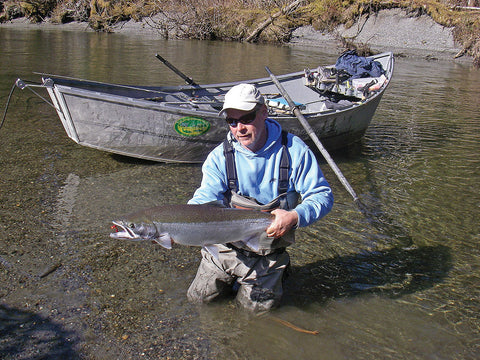
Mastering the Drift: The Ultimate Guide to Drift Boat Fishing
Drift boat fishing represents the pinnacle of river angling, offering access to pristine, untouched waters that walk-and-wade anglers can only dream of reaching. By utilizing a specialized flat-bottomed, shallow-draft vessel, anglers can match the exact speed of the river current. This creates a stealthy, mobile casting platform that allows you to present flies or lures with unmatched natural drift. However, transitioning from the stable riverbank to a moving boat requires a unique shift in strategy, teamwork, and spatial awareness.
The Ultimate Team Sport: Understanding Boat Positions
A successful drift boat trip relies heavily on spatial discipline and communication. The boat is strictly divided into distinct territories to ensure everyone stays safe and lines remain untangled:
- The Bow (Front Angler): Positioned at the front, this angler gets the first shot at prime, undisturbed water. The job here is to look ahead and hunt downstream, casting at a forward angle toward banks, logs, and current seams.
- The Stern (Rear Angler): Positioned at the back, this angler covers the water behind the oar blades. The goal is to pick up the pocket water or structural targets that the front angler missed, carefully timing backcasts to avoid middle-boat collisions.
- The Rowing Station: Positioned in the center, the oarsman navigates the river, controls the boat’s speed, and maneuvers the craft to give both anglers the best possible casting angles.
Tactical Adjustments for Moving Water
Casting from a moving object radically changes how your line behaves on the surface. To maximize your success, you must adapt your presentation techniques:
- Shorten Your Targets: Do not try to launch massive sixty-foot casts. Focus instead on quick, highly accurate twenty-to-thirty-foot presentations that land precisely against structure.
- Manage the Angle: In fast water, cast forward at a sharp forty-five-degree angle downstream to allow your fly time to sink. In slow water, cast perpendicular to the boat to maximize your drift time.
- The Dead Drift Limit: Once your fly or lure drifts parallel to or past the oarsman, your presentation is officially over. Reel in or pick up immediately; letting your line trail far behind the boat causes tangles and ruins the rear angler’s zone.
- Line Discipline: Keep your stripped fly line neatly organized at your feet or inside the casting basket. Stepping on loose line can damage expensive gear and snag your next cast.
Safety and Etiquette on the River
The river environment can change in a heartbeat, meaning safety must always take priority over catching fish. Always keep your thighs or knees firmly locked into the boat’s integrated knee braces or stabilization decks. This centers https://bigfishmccall.com/ your weight and ensures you stay inside the vessel if the hull strikes a hidden rock or encounters a sudden wave. Lastly, respect the authority of the person on the oars—the oarsman is the captain, and their navigational commands must be followed instantly. By mastering these positions, presentations, and safety protocols, you can transform any standard river float into an unforgettable fishing adventure.
Are you planning an upcoming float trip for trout, salmon, or bass? Let me know the target species or the type of river you will be fishing so we can dial in the perfect gear and fly selection for your adventure.